Your home serves as your primary sanctuary, yet the overhead structure often goes unnoticed until a major issue arises. Homeowners seeking a professional roof replacement in Bel Air, Maryland, should stay vigilant regarding the condition of their shingles and flashing.
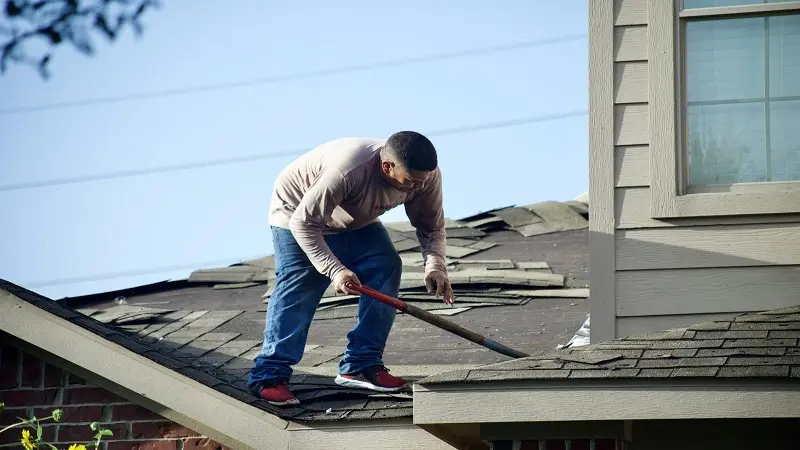
Small leaks or missing granules might seem like minor inconveniences at first. However, these common roof replacement signs often indicate deeper structural concerns that require immediate attention. Ignoring these warnings can lead to costly interior water damage over time.
Proactive maintenance helps you avoid expensive emergency repairs. By scheduling a routine roof inspection, you can identify hidden roof damage before it compromises the safety of your living space. This guide helps you recognize the critical indicators that suggest your home needs a fresh protective layer to stay secure against the elements.
Visible Roof Damage That Signals a Bigger Problem
A quick walk around your property can reveal significant clues about your roof’s health. While some issues start as minor cosmetic flaws, they often point to deeper vulnerabilities in the structure. Recognizing these warning signs early allows homeowners to address problems before they escalate into costly interior damage.
Missing, Cracked, or Curling Shingles
The condition of your shingles serves as the first line of defense against the harsh Maryland weather. Homeowners should look for specific indicators of material failure during a routine exterior inspection:
- Missing shingles that leave the underlayment exposed to rain.
- Curled shingles with edges that lift away from the roof surface.
- Cracked or brittle shingles caused by prolonged sun exposure.
- Patches of shingles that appear uneven or misaligned.
How Widespread Shingle Damage Affects Roof Protection
When you notice several missing shingles or curled shingles across your roof, the protective barrier is compromised. These gaps allow moisture to seep into the layers beneath, which eventually leads to rot. Once the integrity of the shingle layer fails, the entire home becomes susceptible to leaks and water infiltration.
Sagging Rooflines and Damaged Roof Decking
A roof should always appear straight and uniform when viewed from the street. If you notice a dip or a noticeable sag in the roofline, it often indicates a failure in the underlying support system. This issue frequently points to compromised roof decking that can no longer support the weight of the roofing materials.
Why Structural Deformation Requires Prompt Attention
Structural deformation is a serious concern that requires immediate professional assessment. When the wood sheathing or roof decking weakens, it creates a safety hazard for the entire household. Ignoring these dips can lead to a total collapse of the roof structure over time.
Granules in Gutters and Bare Shingle Spots
Checking your gutters after a heavy rainstorm can provide surprising insights into the age of your roof. If you find a significant amount of dark, sand-like material, you are likely seeing evidence of granule loss. These granules are designed to protect the asphalt core of your shingles from the sun’s ultraviolet rays.
What Excessive Granule Loss Reveals About Roof Age
Excessive granule loss is a classic sign that your shingles have reached the end of their service life. As the protective coating wears away, the shingles become brittle and lose their ability to shed water effectively. If you see bare spots on your shingles, it is time to consult with a professional to discuss a potential replacement.
Interior Warning Signs of Roof Failure
While exterior damage is often obvious, the interior of your house frequently tells a more urgent story. Homeowners should regularly inspect their living spaces for subtle clues that suggest their roof is nearing the end of its life. These interior indicators often reveal significant roof leaks that might not be visible from the ground.
Water Stains on Ceilings and Walls
The appearance of yellow or brown spots on your drywall is a classic indicator of water intrusion. These ceiling water stains often grow larger after heavy rainstorms or during the winter thaw. Ignoring these marks can lead to structural damage that becomes expensive to repair over time.
How to Trace Stains Without Assuming the Leak’s Location
It is a common mistake to assume that a leak is located directly above the visible stain. Water often travels along rafters or electrical wires before it finally drips onto your ceiling. A professional inspection is necessary to trace the path of the water back to the actual breach in the roofing material.
Damp Attic Insulation, Mold, or Musty Odors
Your attic acts as the first line of defense against the elements. If you notice damp insulation or a persistent musty smell, you likely have a problem with attic moisture. Finding mold in attic spaces is a serious concern that requires immediate attention to prevent further spread.
How Moisture Can Affect Ventilation and Indoor Air Quality
Excessive humidity trapped in the attic can compromise your home’s ventilation system. When air cannot circulate properly, moisture builds up and creates the perfect environment for mold in attic areas. This poor air quality can eventually drift into your living spaces, potentially impacting the health of your family.
Daylight Visible Through the Attic Roof Deck
A quick trip to the attic during the day can provide surprising insights into your roof’s integrity. If you can see pinpricks of daylight coming through the roof deck, your shingles or underlayment have likely failed. These gaps are clear entry points for rain and pests.
Why Small Openings Can Lead to Major Water Intrusion
Even tiny holes allow significant amounts of water to enter your home during wind-driven rain. Over time, these small openings expand as wood rot sets in around the damaged area. Addressing these gaps early is essential to prevent the need for a full roof replacement later.
When Roof Age and Repeated Repairs Point to Roof Replacement in Bel Air, Maryland
Deciding when to replace a roof in Bel Air, Maryland, often comes down to balancing roof age with ongoing maintenance needs. While minor fixes can extend the life of a system, there comes a point where the investment no longer makes financial sense. Recognizing these signs early helps homeowners avoid costly interior damage.
The Expected Service Life of Common Roofing Materials
Every roofing system has a natural limit based on the materials used during installation. Understanding these limits helps owners plan for future capital improvements before a failure occurs.
Typical Lifespans of Asphalt Shingles, Metal, and Premium Materials
The longevity of a roof depends heavily on the quality of the product and the local climate. Below is a general guide to the expected durability of common materials found in the region.
| Material Type | Estimated Lifespan | Maintenance Needs |
| Asphalt Shingles | 15–25 Years | Moderate |
| Metal Roofing | 40–70 Years | Low |
| Premium Slate/Tile | 50+ Years | Low |
The asphalt shingle lifespan is often shorter in areas with extreme temperature fluctuations. Conversely, a metal roof lifespan provides superior durability for those seeking a long-term solution.
Repair Costs That Keep Increasing
Frequent maintenance can quickly drain a household budget. When a roof requires constant attention, it is often a sign that the underlying structure is failing.
How Homeowners Can Compare Repair Expenses With Replacement Value
A simple rule of thumb is to track your annual roof repair costs. If you find yourself spending more than 20% of the total replacement value on repairs within a few years, a new roof is likely the better investment. This prevents the “patchwork” cycle that rarely solves the root cause of leaks.
Storm Damage That Exceeds a Localized Repair
Severe weather in Maryland can cause sudden, widespread damage that goes beyond a few missing shingles. When a storm impacts the structural integrity of the roof, simple repairs may not be enough to restore safety.
Checking for Wind, Hail, and Falling-Tree Damage After Severe Weather
After a major storm, inspect the roof for signs of impact or debris. Look for bruised shingles from hail or punctures caused by falling branches. If the damage is widespread, the entire system may need a professional assessment to determine if it can still protect the home effectively.
Outdated Roofing That No Longer Meets the Home’s Needs
Sometimes a roof is not necessarily broken, but it is simply obsolete. Older systems often lack the features required for modern comfort and efficiency.
Considering Energy Efficiency, Ventilation, and Modern Building Standards
Modern roofing technology focuses on better ventilation and energy efficiency. Upgrading to current standards can lower utility bills and improve the overall health of the attic space. If your current roof lacks proper airflow, it may be time to consider a replacement that meets today’s building codes.
Protecting the Home With a Professional Roof Evaluation
A sturdy roof protects every family home, but small problems can go unnoticed until they lead to costly structural repairs. Scheduling a professional inspection with a roofing company such as Tar Heel Construction Group can help homeowners understand the roof’s condition and decide what repairs may be needed.
Severe weather events often leave behind invisible problems. High winds can lift shingles, while heavy storms create subtle fractures in the protective layers. A professional roof evaluation identifies hidden wind damage before moisture enters the attic space.
Homeowners should act quickly after extreme weather events. Even minor hail damage can compromise the integrity of asphalt shingles over time. Experts provide documented findings that help residents make informed choices about repairs or full replacements.
Taking proactive steps prevents long-term damage to the interior of the house. Reach out to a local roofing contractor in Bel Air, Maryland, to inspect the property today. Securing the roof now protects the investment for years to come. See more